
calimoto Motorcycle Navigation
calimoto GmbHMaps & Navigation
4.21.04K Reviews
- Version
- 2026.08.2
- Installs
- 1.00M
- Age Rating
- Everyone
Screenshots
Our Review of calimoto Motorcycle Navigation
 Analysis by Appyee
For me, the real test of a motorcycle navigation app is not whether it can draw a route on a screen; it is whether I can make sensible choices before the ride and still feel in control once I am moving. That is the lens I use with calimoto — Motorcycle GPS. It is a free Maps & Navigation app from calimoto GmbH, rated for Everyone, and its appeal is clearly aimed at riders who want their route to be part of the ride rather than merely a line between two addresses. The app has a 4.2 average from around 51,000 ratings and over a million installs, so it has found a substantial audience, but popularity alone does not tell me whether it suits my habits.
Trust begins with the kind of ride you want
I would approach calimoto as a specialized tool, not as a universal replacement for every map app on my phone. A general navigation app is often quicker when I just need the fastest trip across town. calimoto makes more sense when I care about the road itself and want to plan a ride with bends, pauses, and a route worth remembering. That distinction matters: choosing a motorcycle-focused planner means accepting that route discovery and ride recording are central to the experience, not extras I can ignore.
When I assess trust, I separate what the app visibly lets me do from what I might assume about its handling of information. I can judge the route choices and the controls I encounter while using it; I should not treat that as proof of any broader privacy promise. My practical rule is simple: before starting a ride, I decide what I actually want to record or share, and I avoid connecting or posting anything just because the option is available. That keeps the decision in my hands instead of letting a social feature set the default for me.
Make choices before the engine is running
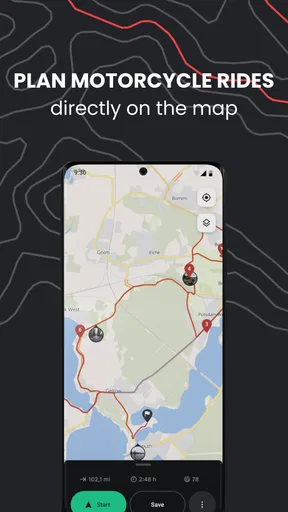
The most useful user control in a route-focused app is the ability to make decisions while parked. I would enter a destination, adjust the twistiness to match my mood and road conditions, then inspect the proposed route before committing. A more winding line can make a quiet weekend ride feel special, but it is not automatically the best choice for a work commute, poor weather, a passenger who prefers a smoother journey, or a tight arrival time. I see the route generator as a starting point for judgment, not a substitute for it.
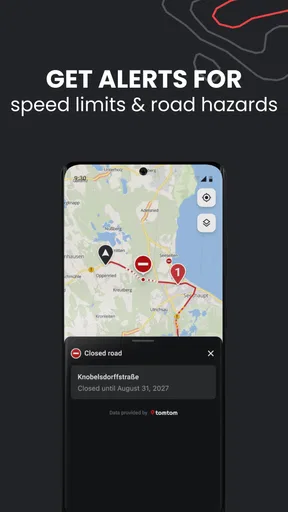
Offline maps are valuable for a different reason: they let me prepare for a patchy-signal stretch rather than discover the problem mid-ride. I would download the area I expect to use before leaving, then check that the intended route is available while I still have a reliable connection. Offline navigation can reduce dependence on mobile coverage, but it does not remove the need to plan fuel, breaks, weather, or road closures. For unfamiliar backroads, I would also keep a broad sense of the route in mind instead of relying on a spoken instruction as my only awareness of where I am going.
Recording and sharing deserve a deliberate choice
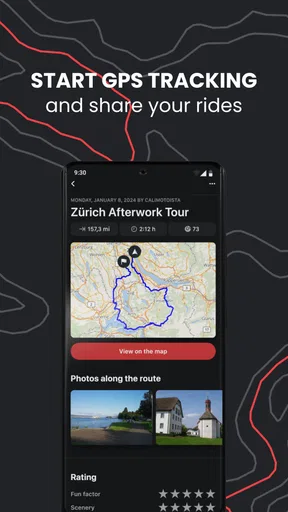
Ride tracking can help me remember where I went and compare the shape and distance of different outings. It can also make a private ride feel more like a set of statistics than an experience, so I would use it when the record has a purpose: saving a route I might repeat, reviewing a long tour, or sharing a planned ride with friends. If I only want directions, there is no need to turn every trip into a log simply because tracking exists.
Sharing is a separate decision from recording. I would review a route before posting it and consider whether it reveals a regular starting point or a place I would rather keep private. The same restraint applies to social connections and action-camera integration: they may suit riders who enjoy documenting trips, but they are not necessary for navigation. My trust in the app comes less from assuming every optional connection is harmless and more from choosing only the parts that make sense for me.
Where it fits, and where it does not
In my experience, this app is most compelling for someone who rides for leisure, enjoys finding curvier roads, and likes having route planning and ride tracking in one place. It can also help a newer rider think through a trip before setting off, provided they are comfortable checking the route and not treating a suggested road as an instruction to ride beyond their ability. A rider who mainly wants the quickest door-to-door commute may be better served by a conventional navigation app, which is usually a simpler fit for that narrow job.
There is also a practical trade-off in using a phone for motorcycle navigation: screen visibility, mounting, battery use, weather protection, and distraction all matter on the bike. The app cannot make those setup decisions for me. I would set the route and audio before moving, secure the phone properly, and stop somewhere safe if I needed to change plans. That is especially important on a twisty route, where looking down at a screen for too long is a poor bargain.
Price is another part of the decision. calimoto is free to install, while in-app purchases range from $1.49 to $319.99 per item. I would start with the free experience and decide whether a paid option solves a real need in my riding routine before spending anything. The wide range makes it sensible to inspect each purchase carefully rather than assume that every rider needs the same upgrade.
Discovering New Routes
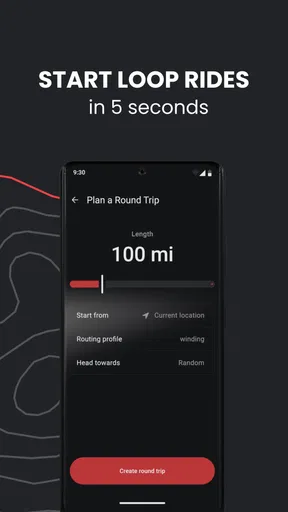
One of the standout features of calimoto is its ability to generate twisty routes. As a rider, I’m always on the lookout for roads that offer a bit of a challenge, and this app delivers. You simply select your starting point, destination, and the level of twistiness you’re comfortable with. The app then spits out a route that’s bound to keep your adrenaline pumping. It’s like having a local guide who knows all the best backroads, right in your pocket!
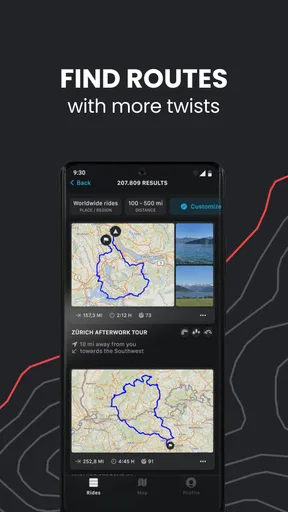
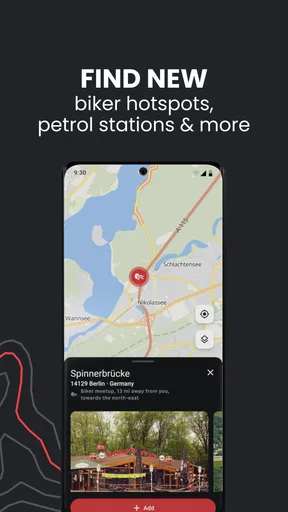
What’s more, the app allows you to explore routes that other riders have shared. It’s a fantastic way to discover hidden gems you might not have found on your own. You can also save your own routes and contribute to the community. This sense of camaraderie among riders is something I really appreciate.
Navigation Made Easy
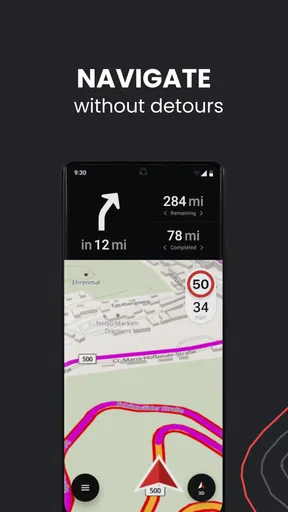
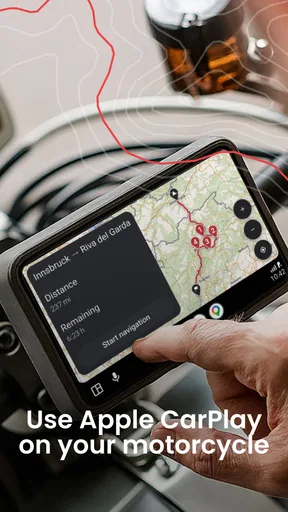
Navigation is a breeze with calimoto. The app provides clear, turn-by-turn voice instructions, which is super handy when you’re on the move. I found the interface intuitive and easy to use, even with gloves on. The map display is customizable, allowing you to choose between 2D and 3D views depending on your preference.
Another feature I love is the offline map capability. Before heading out, you can download the maps you need, ensuring you won’t get lost even in areas with spotty cell service. This is a lifesaver, especially when exploring remote areas.
Tracking and Sharing Your Rides
If you’re the kind of rider who loves to keep track of your adventures, the tracking feature is a dream come true. The app records your speed, altitude, and distance, giving you a comprehensive overview of your ride. For data enthusiasts, it’s fascinating to see how your stats stack up over time.
Sharing your rides with friends is as easy as pie. You can connect the app to your social media accounts and boast about your latest journey. It’s a great way to inspire fellow riders and maybe even plan group rides. Plus, the app’s integration with GoPro means you can capture and relive your rides in stunning detail.
Community and Events
The community aspect of calimoto is another highlight. The app frequently updates with events and meetups, perfect for those looking to connect with other riders. Whether you’re attending a local rally or a long-distance tour, there’s always something happening.
I’ve attended a couple of meetups organized through the app, and it’s been a blast. Meeting other enthusiasts, sharing stories, and picking up tips is something every rider should experience.
Final Thoughts
Overall, calimoto — Motorcycle GPS is a must-have for any motorcycle enthusiast. It’s not just an app; it’s a tool that enhances your riding experience by offering routes, navigation, and community connections. Whether you’re a seasoned rider or just starting out, this app has something for everyone.
For a realistic weekend use, I would plan a loop from home while still parked, choose a twistiness level that suits the day, and compare the suggested roads with the time I have available. I might save a promising route for later, download the map before leaving, and use voice prompts so I can keep my attention on the road. If weather or energy changes the plan, I would stop safely and revise it rather than trying to manage the phone while riding. That workflow is where the combination of planning, offline access, and tracking feels most useful: each part has a clear job, and none needs to take over the ride.
For someone asking whether it works without a dependable signal, offline maps are the key preparation step; downloading them before the trip is more reassuring than assuming a route will remain available. If the question is whether it is worthwhile for a short daily commute, I would say only if the rider genuinely values a more enjoyable route or wants to record journeys. If the goal is simply the quickest arrival, the usual general-purpose map app is likely the more direct option. Riders who want to share every trip may appreciate the connected features, while those who prefer a low-profile navigation tool can leave social sharing and recording out of their routine.
The app is listed as version 2026.02.2, and its history as a mobile product goes back to March 13, 2018. I would still judge it by the current ride workflow rather than its age: plan on a larger screen if that is more comfortable, check the route on the phone before departure, and treat the map as assistance rather than authority. Navigation suggestions cannot account for every change in local conditions, so road signs and personal judgment remain essential. That cautious approach is useful whether the route is familiar or a first attempt at a new backroad.
So, if you’re ready to explore the world on two wheels, give calimoto a spin. It might just become your favorite riding companion.
Verdict
Strengths of calimoto Motorcycle Navigation
- User-friendly interface with intuitive design.
- Scenic route suggestions enhance trips.
- Offline maps for areas with poor signal.
- Real-time weather updates for safety.
- Customizable route planning options.
Limitations of calimoto Motorcycle Navigation
- Limited free features without subscription.
- Battery consumption can be high on long trips.
- Occasional GPS signal loss in remote areas.
- No integration with wearable devices yet.
- Voice navigation lacks multiple language support.
Similar Picks in This Category
View All
Uber - Request a ride
Uber Technologies, Inc.4.7


inDrive. Rides with fair fares
® SUOL INNOVATIONS LTD4.8

Yandex Go: Taxi Food Delivery
Mikromobilnost LLC Belgrade4.8

Bolt: Request a Ride
Bolt Technology4.8

Rapido: Bike-Taxi, Auto & Cabs
Rapido Bike Taxi4.8
Frequently Asked Questions
What features does calimoto offer for motorcycle navigation?
Calimoto offers a range of features tailored for motorcycle enthusiasts, including route planning with curvy roads, offline maps for areas with limited connectivity, ride tracking, and a community feature to share routes. The app also provides weather updates and points of interest, making it a comprehensive tool for bikers.
Is calimoto available for both Android and iOS devices?
Yes, calimoto is available for download on both Android and iOS platforms. Users can find the app on the Google Play Store for Android devices and the Apple App Store for iOS devices, ensuring compatibility with a wide range of smartphones and tablets.
Does calimoto require an internet connection to function?
Calimoto offers offline maps, which means you can use the app without an internet connection once the maps are downloaded. However, some features like real-time traffic updates and weather information require an internet connection to function optimally.
Is there a cost associated with using calimoto?
Calimoto offers a free version with basic features, but for more advanced features like premium maps and enhanced route options, users may need to purchase a subscription. The app provides different pricing tiers, allowing users to choose a plan that suits their needs.
How does calimoto ensure accurate route planning for motorcyclists?
Calimoto uses a specialized algorithm to identify and prioritize curvy and scenic routes, which are often preferred by motorcyclists. The app continuously updates its maps and integrates user feedback to improve accuracy and provide the best riding experience possible.
